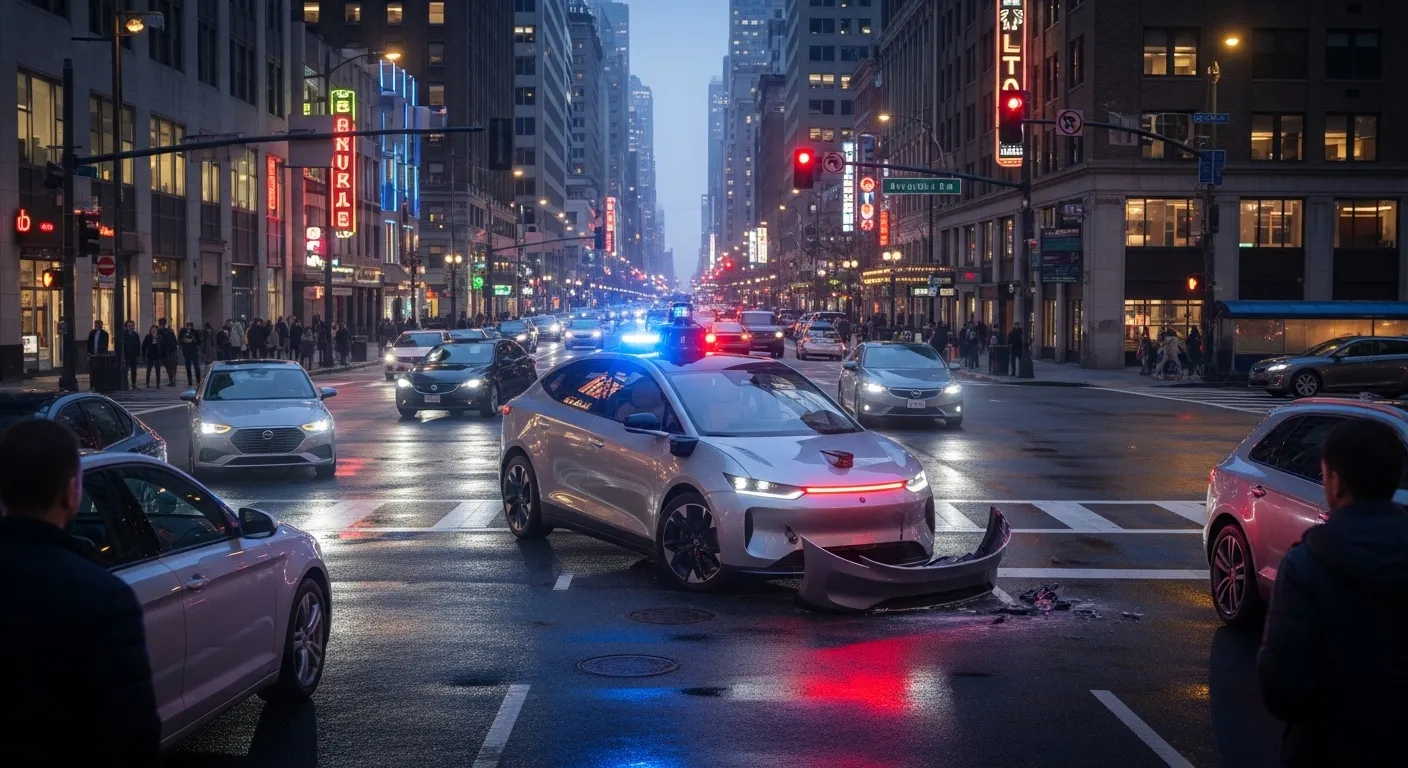
Robotaxi accident injury claims are becoming a serious issue in personal injury law. In 2026, self-driving rideshare services are no longer just a testing story or a tech headline. They now operate in real traffic, around real passengers, pedestrians, cyclists, and other drivers. When a crash happens, injured people need clear answers fast.
That matters because a robotaxi collision does not fit the usual pattern of blaming one driver and moving on. In a standard crash, lawyers often start with speed, distraction, intoxication, or a simple traffic violation. In a robotaxi case, the investigation often goes further. It may involve system logs, mapping limits, remote support, maintenance history, and app-based trip records.
For Injury Law Wiki, this topic fits well with existing content on driver assistance crash claims in 2026 and car accident injury claims explained. It also connects naturally to your broader pages on what personal injury law is and types of personal injury cases. So this is not a random trend post. It strengthens your accident-related injury cluster.
Just as important, these claims will likely grow as more self-driving rideshare services enter public use. Even if companies market robotaxis as safer than human drivers, injured victims still need to know who may be responsible. They also need to know what evidence to preserve and what compensation may be available. That is why this topic deserves its own guide.
Why Robotaxi Accident Injury Claims Matter More in 2026 #
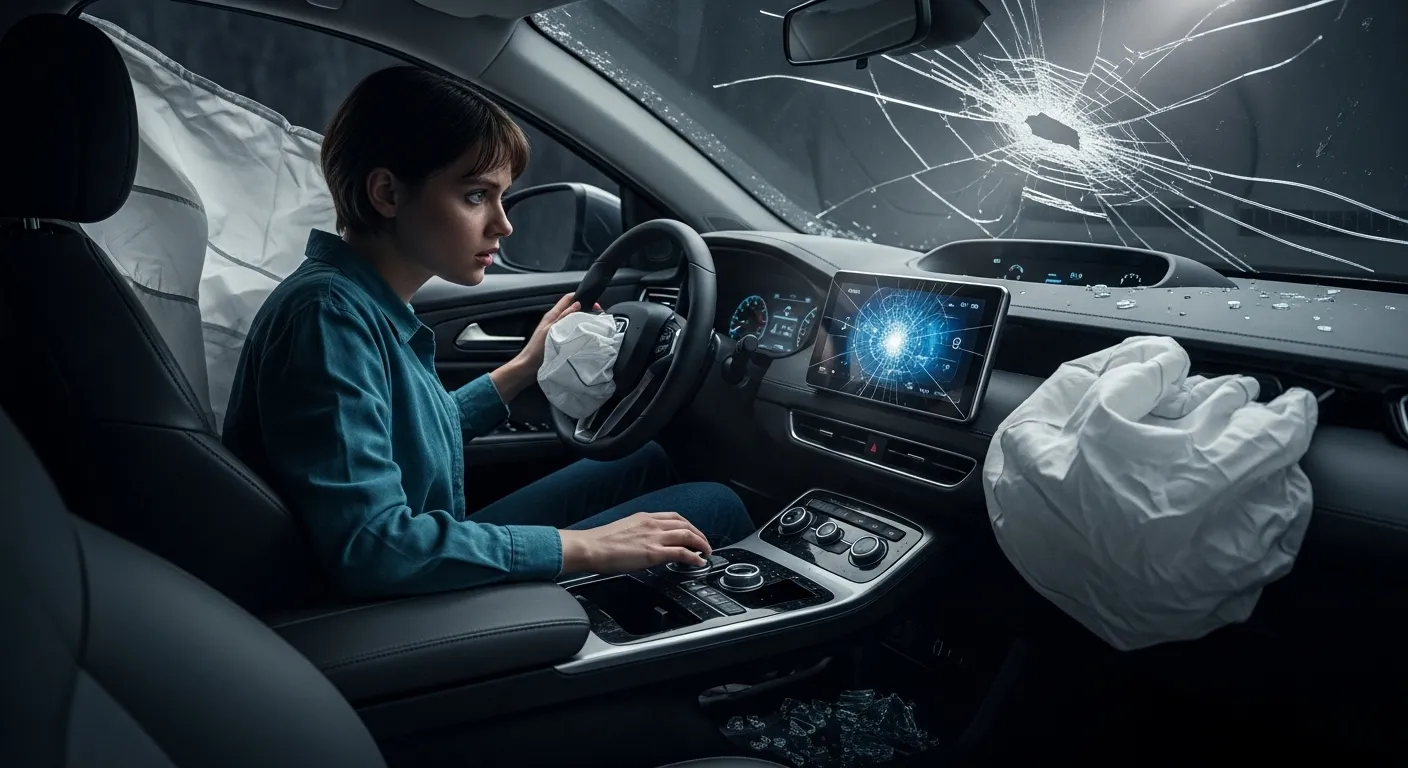
Robotaxi accident injury claims matter more in 2026 because autonomous rideshare services are moving into broader public use. As that expansion continues, injury law must deal with a new crash scenario. A paying passenger may get hurt inside a self-driving vehicle. A pedestrian may get struck by a driverless rideshare. Another driver may get pulled into a collision with no human operator behind the wheel.
Robotaxis Are Expanding Faster Than Most People Realize #
The legal importance of robotaxis comes from scale. Once a company carries real passengers in normal city traffic, the injury questions become practical. Victims no longer ask what might happen someday. Instead, they ask what happened now, who may be liable now, and what data may disappear if they wait too long.
More deployment means more real-world injury questions #
That shift changes the kinds of injury claims people may face. A robotaxi passenger may get hurt when the vehicle stops in an unsafe place, reacts poorly to road conditions, or makes a sudden movement that causes a crash. A pedestrian or cyclist may argue that the vehicle failed to detect a crossing conflict. Another driver may claim the robotaxi braked hard, blocked a lane, or entered traffic in an unsafe way.
Each of those situations looks different from a standard crash, even if the injuries are familiar. Victims may still suffer traumatic brain injuries, spinal injuries, broken bones, internal injuries, soft tissue damage, or facial trauma. Recovery may still take months. Medical bills, missed work, and ongoing pain can still define the case. The technology feels new, but the harm can look very old-fashioned.
These Cases Are Not Just “Car Accidents With Better Software” #
Many people assume that a self-driving rideshare crash is just a normal car accident with more sensors and more screens. That view misses the hardest part of these cases. Fault can spread across more than one party. Evidence can become technical on day one. Defense arguments can also become more layered than usual.
In a typical crash, investigators focus on roadway conditions, witness accounts, traffic laws, and driver conduct. A robotaxi case still needs all of that. However, the case may also turn on whether the automated driving system was engaged, what the vehicle detected, whether it stayed within its operating limits, and whether anyone remotely supervised the trip.
Digital evidence changes the case from day one #
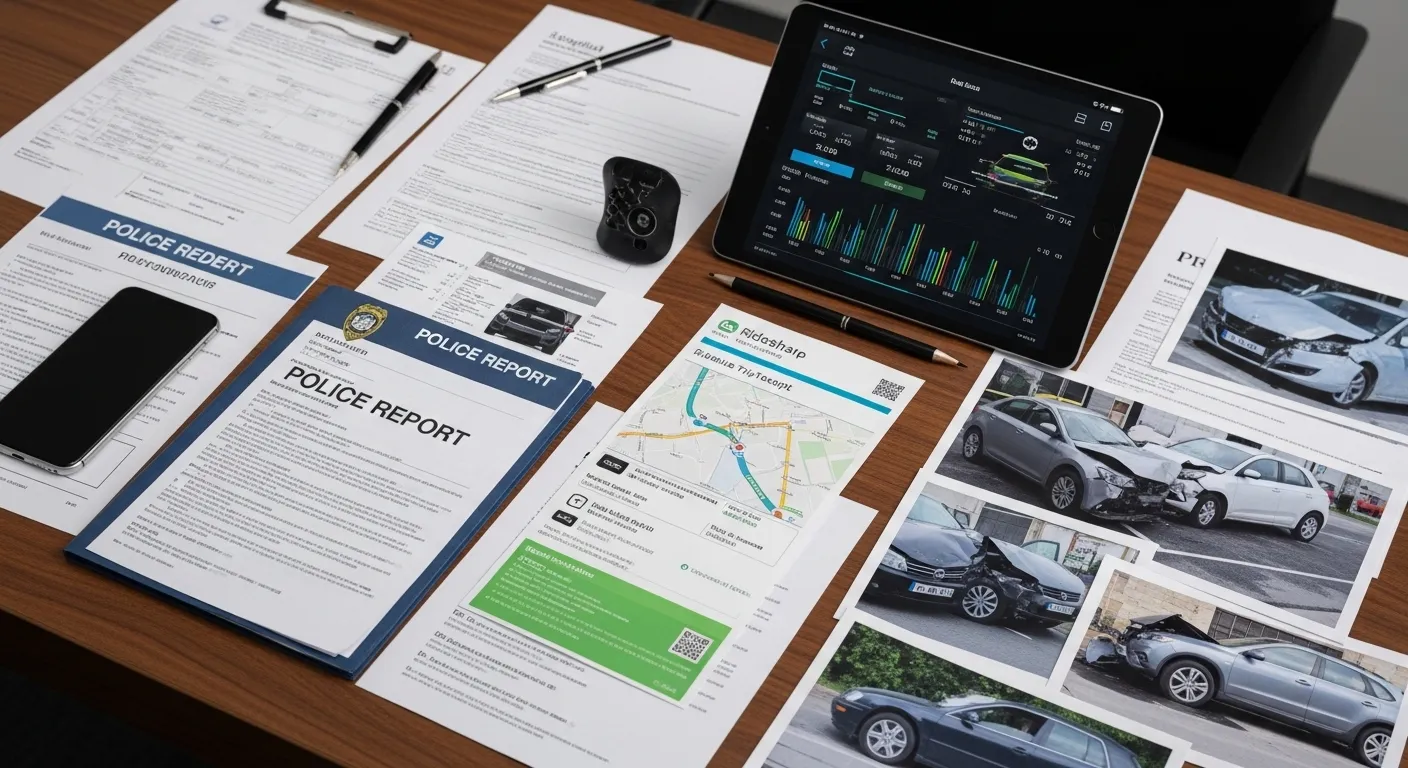
Evidence preservation is one of the biggest reasons robotaxi cases differ from ordinary crashes. A serious claim may involve vehicle telemetry, camera footage, system logs, software versions, trip data, maintenance records, and post-crash reviews. Some of that material may sit in company-controlled systems that an injured person cannot access on their own.
Because of that, victims should not assume that the normal insurance process will uncover everything. In many robotaxi accident injury claims, the most important facts may sit inside digital records controlled by the operator, manufacturer, or another related company. Early legal review matters because it helps preserve that information before it changes, gets overwritten, or becomes harder to trace.
This is also why the topic fits beside your article on driver assistance crash claims in 2026. Both topics show that modern injury cases often depend on more than scene photos and a police report. They also depend on how the vehicle’s technology behaved before, during, and after the crash.
Who May Be Liable and What Victims Should Do #
The hardest question in many robotaxi cases is not whether someone got hurt. The harder question is who should answer for the injury. In a normal crash, lawyers often start with the at-fault driver. In a robotaxi case, there may be no human driver in the usual sense. That does not erase liability. It simply means the investigation may need to look in more than one direction.
Liability Can Spread Across More Than One Party #
Several parties may come under review, depending on the facts. Another human driver may still have caused the crash. In other situations, the fleet operator, the rideshare company, a maintenance vendor, a remote support team, or a technology-related entity may become part of the liability analysis. The facts decide the path, not the marketing label on the vehicle.
The driver may be absent, but negligence still has to be proven #
Some victims hear “self-driving” and assume the company automatically owes compensation. That is not how injury law works. Even in a robotaxi crash, the case still depends on proof. Someone must show what happened, how the injury occurred, and why a person or company failed to act with reasonable care.
For example, the evidence may show that another human driver caused the crash and the robotaxi company played little or no role. In another case, the evidence may show that the autonomous vehicle acted unsafely, failed to recognize a hazard, or created a traffic conflict that a careful driver would likely have avoided. Mixed-fault cases can also happen, which often makes the claim harder to resolve.
This is where your internal content helps. A short discussion of negligence and fault can link back to car accident injury claims explained and types of personal injury cases explained. Those pages give readers the basic legal framework, while this article explains how that framework applies to self-driving rideshare crashes.
What victims should preserve right away #
When a self-driving rideshare crash causes injury, medical care should come first. Right after that, evidence preservation becomes critical. Victims should save anything that helps reconstruct the event before records change, vehicles get repaired, or witnesses disappear.
- get medical care right away and follow treatment instructions;
- save screenshots from the rideshare app, trip receipt, and trip timeline;
- take photos and videos of the scene, traffic signs, vehicle positions, and visible injuries;
- get the police report number and the names of responding officers if possible;
- collect witness names and contact details;
- keep damaged clothing, helmet, bicycle, phone, or other physical evidence when relevant;
- track missed work, medical bills, prescriptions, and follow-up treatment;
- avoid casual recorded statements before understanding the facts of the case.
Victims should also note details that do not appear in ordinary crash cases. It may matter whether the trip was active, whether the vehicle had a passenger, whether the automated system controlled the car at that moment, and whether the company created a formal event record. Those details can shape the entire liability analysis.
For an external authority link, use the NHTSA Standing General Order on Crash Reporting. It matters because NHTSA requires certain manufacturers and operators to report qualifying crashes involving automated driving systems and Level 2 ADAS. Still, a regulatory report does not replace a full injury investigation or a full compensation review.
The bottom line is straightforward. Robotaxi accident injury claims matter more in 2026 because self-driving rideshare services now operate in real public settings while liability law is still adapting. These cases can involve serious injuries, technical evidence, and several potentially responsible parties. That makes this topic timely, practical, and strong for long-term SEO on Injury Law Wiki.