- Why E-Bike and E-Scooter Injury Claims Are Growing
- How These Cases Compare to Other Injury Claims
- Who May Be Liable in E-Bike and E-Scooter Injury Claims
- Common Causes of E-Bike and E-Scooter Accidents
- What Evidence Matters Most
- What Compensation May Be Available
- What Makes These Claims Legally Complicated
- What to Do Right After the Crash
- Why This Topic Matters in 2026
- External Resources
E-bike and e-scooter injury claims are becoming more important in 2026 as electric micromobility use continues to grow in cities, suburbs, campuses, and delivery networks. What started as a convenience trend is now a serious personal injury issue. Riders are moving faster, streets are still not consistently designed for mixed traffic, and insurance questions remain confusing after a crash. As a result, more injured riders and pedestrians are trying to understand who is legally responsible and what compensation may be available.
This topic fits modern personal injury law because these cases often involve the same legal foundation seen in other negligence claims. If another person, company, or entity caused the injury through careless conduct, the injured victim may have the right to pursue damages. If you are new to the legal basics, see our guide on what personal injury law is and our overview of types of personal injury cases.
Why E-Bike and E-Scooter Injury Claims Are Growing #
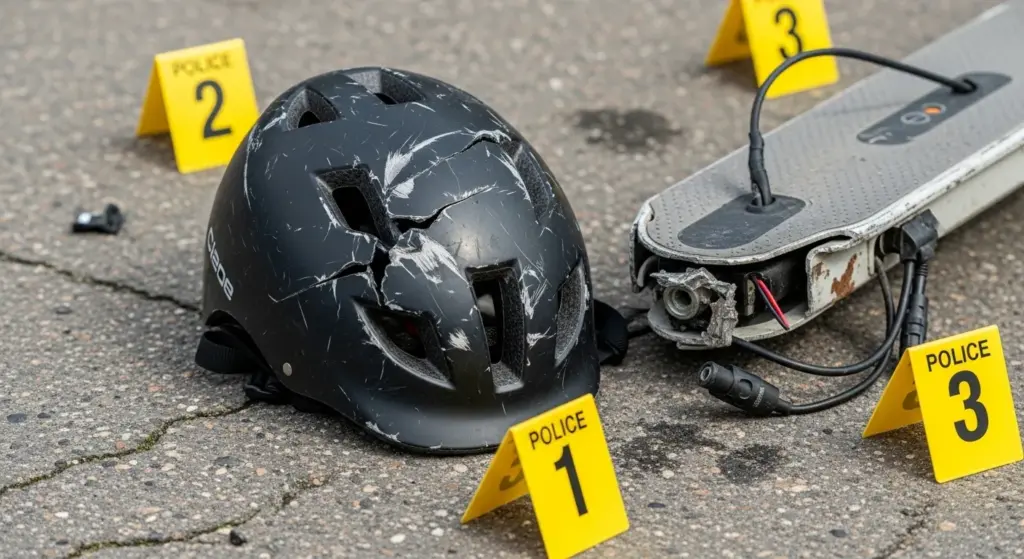
E-bike and e-scooter injury claims are rising because the risk landscape has changed. Electric devices move faster than many people expect, and riders often share space with cars, delivery vans, parked vehicles, pedestrians, and uneven pavement. Some crashes happen because a driver fails to yield. Others happen because a rider is thrown by poor road conditions, a defective battery system, or a dangerous product failure.
These cases are also growing because the injuries can be more serious than people assume. Even a lower-speed fall can cause head trauma, fractures, dental damage, wrist injuries, knee injuries, spinal injuries, or long-term pain. In more severe cases, a victim may need surgery, hospitalization, rehabilitation, and extended time away from work.
How These Cases Compare to Other Injury Claims #
Legally, many e-bike and scooter cases overlap with traditional traffic injury claims. If a motor vehicle caused the crash, the case may look a lot like a standard car accident injury claim. If the injuries are severe and visibility, speed, or lane-position disputes are involved, the liability issues can resemble what we often see in motorcycle accident injury cases.
However, e-bike and scooter cases also create special issues. The vehicle itself may be part of the problem. Rental platform rules may matter. Product defects may matter. Battery fires or charger failures may matter. That means a case may involve not just one negligent driver, but multiple possible defendants.
Who May Be Liable in E-Bike and E-Scooter Injury Claims #
One of the first legal questions is simple: who caused the injury? The answer is not always obvious. Possible liable parties can include:
- A negligent driver who struck the rider or pedestrian
- A property owner who allowed a dangerous surface or hidden hazard
- A city or public entity responsible for unsafe road design or poor maintenance
- A rental company that failed to inspect or maintain the device
- A manufacturer or distributor of a defective e-bike, e-scooter, battery, charger, brake system, or frame component
- An employer if the rider was working at the time and third-party negligence contributed to the incident
In some cases, more than one party may share fault. For example, a driver may make an unsafe turn while the e-scooter itself has a brake defect that worsens the crash. In another case, a delivery rider may be injured while on the job, creating both a workers’ compensation question and a possible third-party negligence claim. That overlap is similar to the issues discussed in our guide on workplace injury and workers’ compensation.
Common Causes of E-Bike and E-Scooter Accidents #

Most e-bike and e-scooter injury claims come from a handful of recurring fact patterns:
- Drivers turning across the rider’s path
- Dooring accidents involving parked vehicles
- Unsafe lane changes by cars or trucks
- Road hazards such as potholes, loose gravel, drainage gaps, or broken pavement
- Brake failures or steering defects
- Battery overheating, fire, or charger-related incidents
- Rental device malfunctions or poor maintenance
- Pedestrian collisions in crowded mixed-use areas
Each cause points to a different legal theory. A turning-car case may be straight negligence. A battery fire case may raise product liability issues. A crash caused by a broken sidewalk transition or unmarked hazard may involve premises liability or a public entity claim.
What Evidence Matters Most #
Strong evidence can decide whether a claim succeeds or fails. After an e-bike or e-scooter crash, the most useful evidence often includes:
- Photos of the scene, the device, the roadway, and the injuries
- Helmet damage, torn clothing, and visible vehicle damage
- Police reports or incident reports
- Witness statements and contact information
- App or rental records showing device ID, trip time, route, and speed data
- Maintenance logs, recall notices, or product serial numbers
- Medical records documenting injury severity and treatment
- Video from traffic cameras, businesses, homes, or bodycams
Victims should preserve the device whenever possible. Do not rush to repair or discard an e-bike, scooter, battery, charger, or helmet if a defect may be part of the case. Once physical evidence disappears, proving product failure becomes much harder.
What Compensation May Be Available #
Like other personal injury cases, e-bike and e-scooter injury claims may include both economic and non-economic damages. Depending on the facts, compensation may include:
- Emergency room bills and hospital costs
- Follow-up treatment, surgery, medication, and rehabilitation
- Future medical care and long-term therapy
- Lost wages and reduced earning capacity
- Pain and suffering
- Emotional distress and trauma-related symptoms
- Property damage, including the device and safety gear
- Out-of-pocket expenses tied to the injury
If the conduct was especially reckless, punitive damages may be possible in some jurisdictions, though that depends heavily on state law and the facts of the case.
What Makes These Claims Legally Complicated #
These claims can become difficult fast. First, insurers may try to argue that the rider assumed the risk simply by using the device. Second, the defense may blame the victim for speed, visibility, helmet use, or lane position. Third, local rules on where an e-bike or scooter could legally operate may become part of the dispute.
There is also a practical problem: many people do not know which insurance policy applies. A driver’s auto insurer may be involved. A renter’s or homeowner’s policy may matter in some cases. A commercial policy may apply if a delivery vehicle caused the crash. A product liability insurer may matter if a fire or defect caused the injury.
That is why these cases are not just “small scooter accidents.” They can quickly turn into multi-party injury claims with technical evidence, product evidence, and serious medical damages.
What to Do Right After the Crash #
If you are injured, the best first step is medical care. Some injuries, especially concussions, internal injuries, and fractures, are worse than they look. After that, try to protect the claim:
- Get medical treatment right away
- Report the crash to police, property management, or the rental platform if applicable
- Take photos before the scene changes
- Save the e-bike, scooter, helmet, charger, and battery
- Do not give a detailed recorded statement before understanding the facts
- Keep receipts, wage-loss records, and all follow-up treatment documents
Timing matters in personal injury law. Evidence disappears, vehicles get repaired, app data changes, and deadlines vary by state. If you need a foundation for why deadlines can affect a case, review our beginner guide on personal injury law and the claim process.
Why This Topic Matters in 2026 #
E-bike and e-scooter injury claims matter in 2026 because micromobility is no longer a niche issue. It is part of everyday transportation. As usage grows, the legal system is being forced to address crash injuries, battery hazards, product defects, and gaps in urban safety design. Victims need clear answers, and law firms need content that explains these claims in a practical way.
For Injury Law Wiki, this topic is a strong fit because it connects existing accident-related coverage with a fast-growing injury category. It also gives readers something current: a legal explanation of how these claims work before they are forced to figure it out during a stressful recovery.