Heat-related workplace injuries are getting harder to dismiss as routine seasonal discomfort. In 2026, extreme heat is not just a weather story. It is a workplace safety issue, a compensation issue, and in some cases a negligence issue. Workers in construction, warehousing, agriculture, delivery, landscaping, manufacturing, roofing, and similar jobs can suffer serious harm when heat exposure is not properly managed.
For too long, some employers treated heat illness like part of the job. That logic does not hold up well anymore. Heat can cause dizziness, dehydration, confusion, collapse, reduced coordination, and medical emergencies. It can also trigger secondary accidents. A worker who is overheated may fall from height, mishandle equipment, react too slowly around vehicles, or black out in a dangerous environment. What starts as heat stress can become a severe traumatic injury in seconds.
This topic is current for a reason. OSHA’s Heat Injury and Illness Prevention rulemaking remains active after the 2025 hearing process, and Cal/OSHA reminded employers in March 2026 that outdoor workers must have fresh water, access to shade, and cool-down rest breaks, with added protections in certain industries when temperatures reach at least 95 degrees Fahrenheit. That means the legal expectations around heat prevention are becoming harder to ignore.
Why Heat Injuries Matter More Than Many Employers Admit #
Heat exposure is predictable. That matters. Many workplace injuries happen with little warning, but heat is often different. Employers usually know the season, the forecast, the work conditions, the physical demands, and the fact that certain workers face greater risk when temperatures rise. When a hazard is that foreseeable, prevention becomes more than a good idea. It becomes part of what reasonable workplace safety should look like.
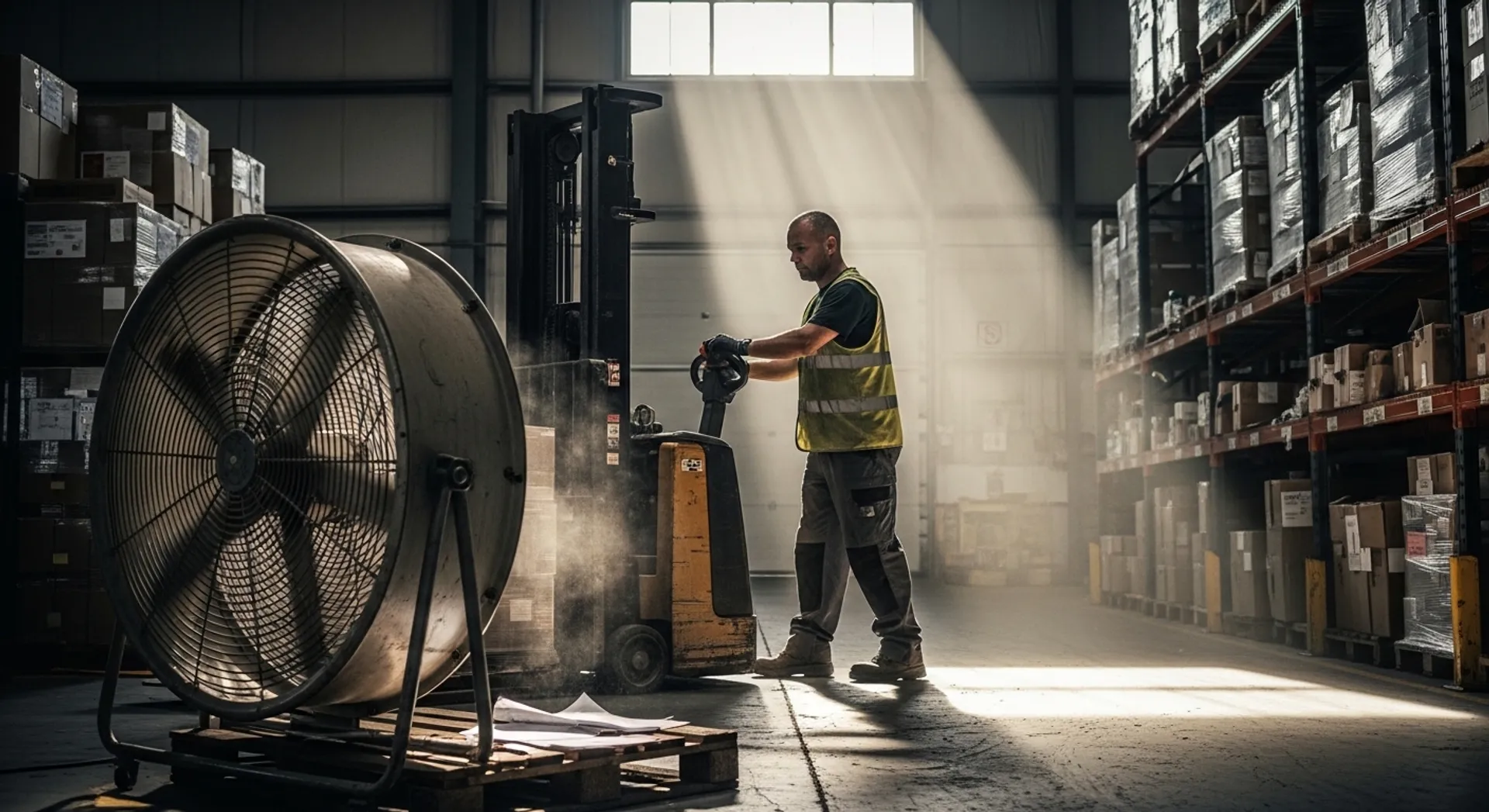
The danger also goes beyond outdoor jobs. A lot of people hear “heat illness” and picture road crews or roofers under direct sun. Those workers absolutely face serious risk, but indoor settings can be dangerous too. Warehouses, factories, laundries, kitchens, boiler rooms, and other poorly cooled spaces may create heavy heat stress even without direct sunlight. When physical labor, humidity, and poor ventilation stack together, the body can lose its ability to regulate safely.
Why some workers face higher risk #
- new employees who are not acclimatized
- workers returning after time away
- employees wearing heavy protective gear
- people doing intense physical labor
- workers in poorly ventilated indoor environments
These risk factors do not excuse unsafe work conditions. They are exactly why employers are expected to plan ahead.
How Heat Injuries Happen on the Job #
Heat-related harm usually starts before the emergency. A worker may become thirsty, weak, nauseated, lightheaded, or mentally foggy. At that stage, the problem can still escalate quickly if the person keeps working hard without hydration, cooling, or rest. Heat exhaustion can progress to heat stroke, which is a medical emergency and may lead to organ damage, neurological injury, or death.
But that is not the whole picture. Heat also raises the risk of ordinary-looking workplace accidents. A worker who feels dizzy may trip over a hazard. A driver may misjudge distance. A laborer may lose grip on a tool. A warehouse employee may move too slowly around equipment. A construction worker may fall because heat impaired balance or judgment. In other words, heat does not just create illness claims. It can also help explain how a separate injury occurred.
Common heat-related workplace harm includes #
- heat exhaustion
- heat stroke
- dehydration requiring medical treatment
- collapse or loss of consciousness
- falls linked to dizziness or weakness
- mistakes with machinery or vehicles caused by heat stress
That overlap is important in injury cases because the employer may try to reduce the event to a simple accident without looking at the heat conditions that helped cause it.
What Employers Are Expected to Do #
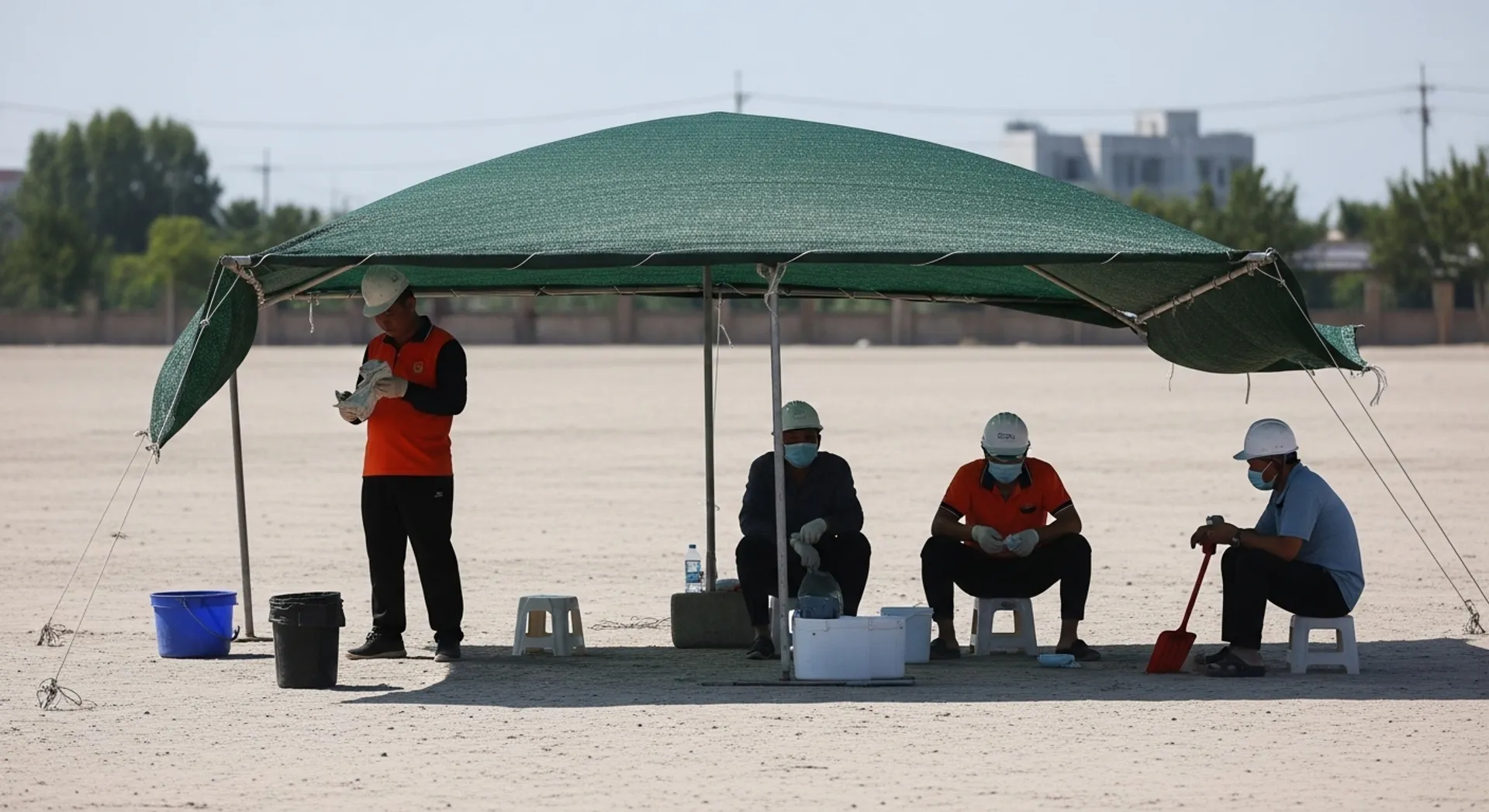
No employer can control the weather, but employers can control planning, staffing, access to water, break structure, acclimatization, and emergency response. When heat is a known risk, these basic measures matter a lot. They are often the difference between a worker cooling down safely and a worker collapsing in a dangerous setting.
Basic heat-safety measures often include #
- fresh water that is easy to reach
- shade or cooling areas
- cool-down rest breaks
- training for workers and supervisors
- adjusted workloads during extreme heat
- acclimatization for new or returning workers
- a clear emergency response plan
These are not cosmetic precautions. If a workplace ignores them, that can become central evidence in a claim or dispute about what should have been done.
Why supervision matters #
Heat injuries often get worse because supervisors miss or ignore early warning signs. When a worker reports feeling weak or dizzy and is told to keep going, the legal picture can become much worse for the employer.
What Evidence Matters in a Heat-Related Injury Claim #
As with most injury cases, the facts have to be built. A worker cannot rely on general statements like “it was really hot that day.” The goal is to show what the conditions were, what the work required, what protections were missing, what symptoms developed, and how the injury happened.
Evidence that may matter in a heat-related claim #
- medical records and diagnosis
- weather and temperature data
- time sheets and workload records
- break schedules or lack of breaks
- photos of the worksite, shade, or lack of cooling
- training records and safety policies
- witness statements from coworkers
- incident reports and supervisor communications
These details help connect the injury to the work conditions. They also help show whether the employer took predictable heat risk seriously or ignored it until someone got hurt.
When Workers’ Compensation May Not Be the Whole Story #
In many cases, a job-related heat injury will start as a workers’ compensation matter. That is expected. But not every legal issue ends there. Depending on the jurisdiction and the facts, there may also be questions about third-party liability, unsafe premises, contractors, equipment conditions, or other conduct that helped create the dangerous situation.
For example, a worker might suffer a fall triggered by heat stress on a site controlled by another entity. A delivery worker might collapse because of extreme heat and get struck by equipment operated by someone else. A warehouse employee might suffer injury in a building with serious ventilation problems tied to parties beyond the employer. The details matter.
Why the facts should be reviewed carefully #
The legal path depends on who controlled the conditions, what caused the injury, and whether other parties were involved. That is why workers should not assume every heat-related injury is legally simple.
Serious harm deserves a full review #
If the injury led to hospitalization, long-term impairment, secondary trauma, or death, the case deserves more than a quick assumption about benefits and blame.
What Workers Should Do After a Heat-Related Injury #
First, get medical care immediately. Heat-related conditions can worsen fast, and heat stroke is a true emergency. After that, report the event promptly and document what you can while details are still fresh.
Practical steps after a suspected heat-related workplace injury #
- seek emergency or urgent medical attention
- report the incident to a supervisor
- document the symptoms and timeline
- save photographs of the work area if possible
- identify coworkers who saw the conditions
- keep all records of treatment, missed work, and ongoing symptoms
This article can link naturally to Workplace Injury and Workers’ Compensation, Slip and Fall Accident Liability Guide, and Types of Personal Injury Cases Explained.
Conclusion #
Heat-related workplace injury claims matter more in 2026 because the hazard is predictable, the medical consequences can be severe, and employers are on clearer notice than ever that prevention is not optional. Water, shade, cooling, breaks, training, and acclimatization are not extras. They are basic controls for a known risk.
The real issue is not whether heat is uncomfortable. The issue is whether a foreseeable danger was managed responsibly before a worker got hurt. When the answer is no, a serious legal issue may follow. And when heat contributes to a fall, collapse, equipment incident, or long-term medical harm, the claim deserves a careful, fact-based review.
External reference: OSHA Heat Injury and Illness Prevention Rulemaking