Driver assistance technology is sold as a major safety upgrade, and in some situations it can help. Lane-centering, adaptive cruise control, collision warnings, and hands-free highway features are designed to reduce workload and support the driver. But in 2026, a harder truth is impossible to ignore: advanced driver assistance does not eliminate crash risk, and in some cases it may change the way serious injury claims are investigated.
That matters because many people hear phrases like “hands-free,” “smart driving,” or “assisted driving” and assume the vehicle is doing more than it really is. It is not. A partially automated vehicle may help with steering or speed control in limited conditions, but it still depends on human attention. When the driver overtrusts the system, stops actively monitoring traffic, or fails to take control in time, the result can still be a devastating crash.
This issue is especially relevant right now. NHTSA still requires certain crash reporting for vehicles equipped with ADS or Level 2 ADAS, and the NTSB announced on March 31, 2026 that overreliance on Ford BlueCruise contributed to two fatal crashes involving stationary objects at highway speeds. That does not mean every driver-assistance system is defective. It means these crashes are being taken seriously enough that victims and their families should not treat them like ordinary fender-benders with ordinary evidence problems.
What Driver Assistance Systems Actually Do #
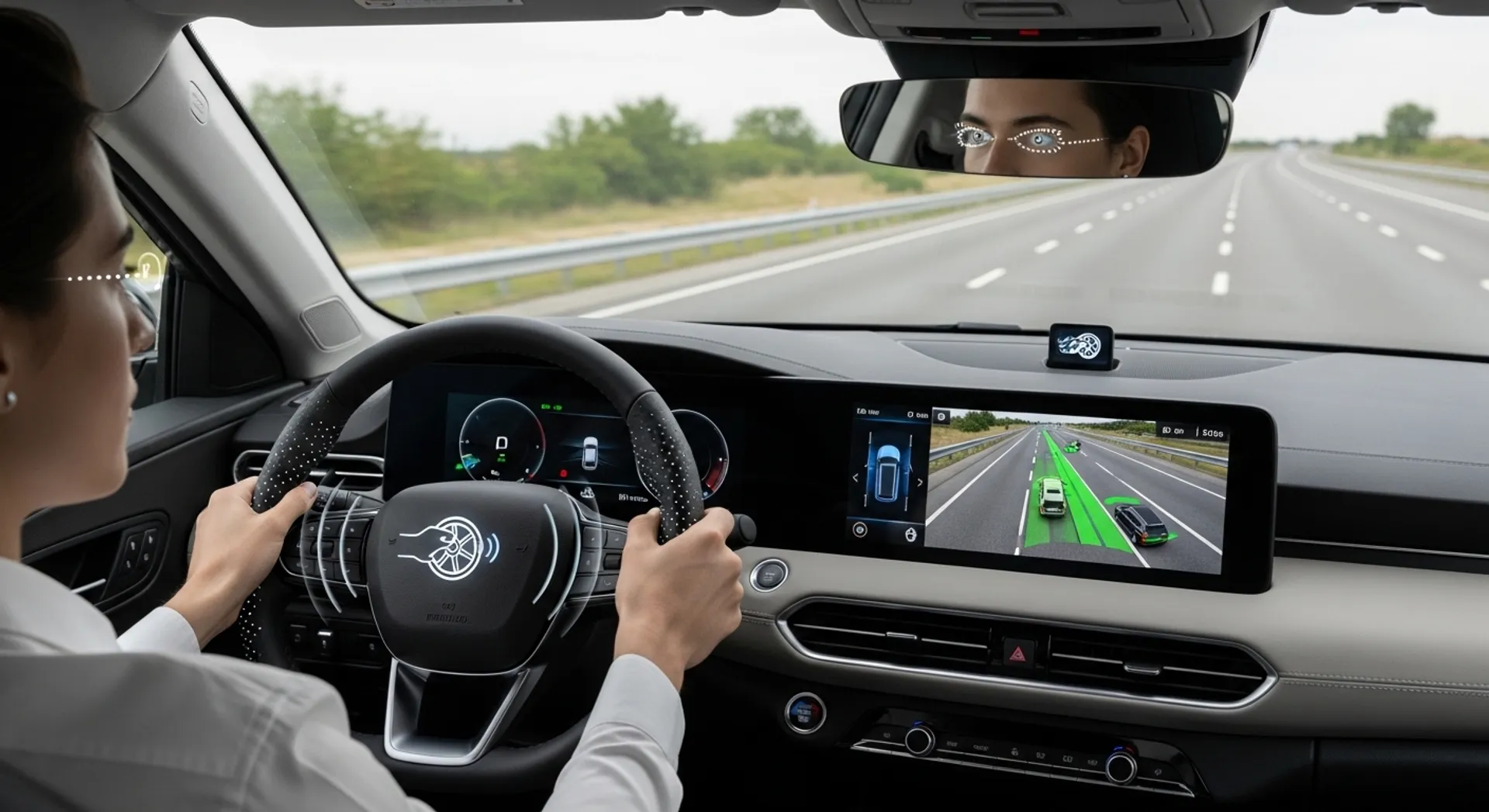
One of the biggest problems in these cases is confusion. Many drivers do not fully understand what their system is designed to do, what conditions it is built for, and where its limits begin. A feature may keep a vehicle centered in its lane, adjust speed in traffic, or support hands-free operation on mapped highways. That sounds impressive, but it is still not the same as full autonomy.
The legal problem starts when the driver behaves as if the technology is more capable than it is. A driver may stop watching the road closely, glance away for too long, rely on the system in poor visibility, or assume the vehicle will detect a hazard that it is not designed to handle consistently. If that assumption proves wrong, the resulting crash can cause the same kinds of catastrophic injuries seen in traditional traffic collisions.
Common misconceptions that show up after a crash #
- the car was “driving itself”
- hands-free meant the driver did not need active attention
- the system would always recognize stopped vehicles or sudden hazards
- the technology was safer than ordinary driving in every condition
Those beliefs can affect both liability and evidence. A driver may deny distraction because they were relying on the system. A manufacturer may argue the system worked as designed and the driver misused it. That creates a more technical dispute than the average crash case.
How These Injury Claims Are Different from a Standard Car Accident Case #
A regular car accident claim usually focuses on familiar issues: speeding, distraction, following distance, lane changes, failure to yield, or impaired driving. A driver-assistance crash may involve those same problems, but it can also add another layer: how the technology was used, what it recorded, what warnings were triggered, and whether the system’s real-world limitations mattered.
That does not automatically turn the case into a product-liability lawsuit. In many claims, the driver is still the main negligent party because the system did not replace the duty to drive safely. But depending on the facts, the case may expand into questions about design, warnings, driver monitoring, software limitations, data preservation, and manufacturer knowledge.
Why victims should not assume fault is simple #
Insurance companies like simple stories. They may try to frame the case as a plain driver-error crash and ignore the vehicle technology entirely. In other situations, they may overcorrect and blame the technology while minimizing obvious driver negligence. Both approaches can miss the real issue. A serious claim has to be built around what actually happened, not what sounds easiest to argue.
The key question #
The real question is not whether the car had advanced features. The real question is whether those features changed the driver’s conduct, the sequence of the crash, the evidence available, or the range of potentially responsible parties.
What Evidence Matters in a Driver Assistance Injury Claim #
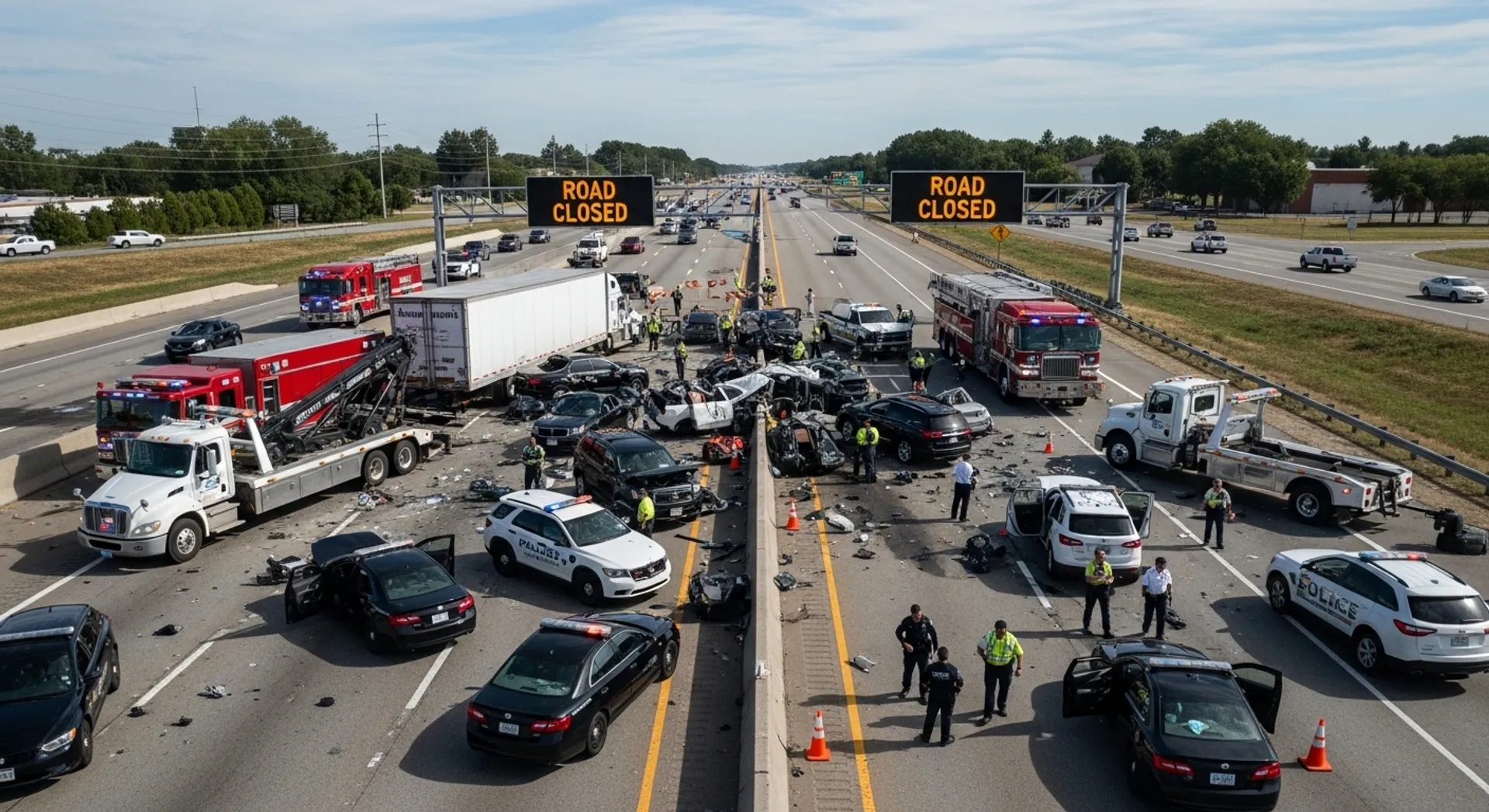
Evidence is where these cases usually get serious. Traditional crash evidence still matters, including scene photos, witness statements, medical records, police reports, vehicle damage, and roadway conditions. But technology-related evidence may now be just as important.
Evidence that may matter in a 2026 driver assistance crash claim #
- event data recorder information
- telematics and vehicle system logs
- driver-monitoring alerts or camera data
- warning messages shown before impact
- software version and update history
- dashcam or onboard video
- cellphone records if distraction is still suspected
- scene measurements and reconstruction analysis
Some of this evidence can disappear or become harder to preserve if the vehicle is repaired, salvaged, moved, or accessed without a clear preservation plan. That is one reason these claims should not be handled casually after a major crash.
Who May Be Liable #
Not every case points in the same direction. Sometimes liability still rests mainly with the driver, especially where the system clearly required continuous attention and the driver failed to stay engaged. In other cases, the investigation may raise broader issues involving warning design, driver-monitoring effectiveness, system limitations, or whether the product’s presentation encouraged unsafe overreliance.
Potentially liable parties may include #
- the driver using the system
- the owner of the vehicle
- an employer in a work-related driving case
- a rideshare or fleet operator
- in some cases, a manufacturer or related entity if the facts support it
This does not mean every crash involving advanced features becomes a product case. It means victims should not rule out a broader investigation too early.
Why the driver still matters most in many cases #
Level 2 driver assistance is not a legal excuse for inattention. Even where the vehicle supports steering and speed control, the driver may still be expected to watch the road and intervene when needed. That is why driver negligence remains central in many of these claims.
What Injuries These Crashes Can Cause #
Driver-assistance crashes do not produce special injuries. They produce the same devastating harm seen in other high-speed collisions. The difference is that the driver may fail to brake, react late, or strike a hazard at full speed because the system was misunderstood or overtrusted.
Common injuries in serious driver-assistance crashes #
- traumatic brain injuries
- spinal injuries and herniated discs
- broken bones
- internal injuries
- facial trauma
- wrongful death claims in fatal cases
That is why the technology angle should never distract from the damages side of the case. Medical treatment, future care, lost income, pain and suffering, and long-term limitations still drive the value of the claim.
What Victims Should Do After a Serious Crash #
The first move is still medical care. Get evaluated immediately and follow through with treatment. After that, the next priority is preservation. If the vehicle may contain relevant electronic evidence, that issue should be handled early, not months later.
Important steps after a possible driver-assistance crash #
- get medical treatment right away
- preserve photos, videos, and witness information
- save the police report and towing information
- avoid allowing key vehicle evidence to disappear without documentation
- keep all medical bills, treatment notes, and work-loss records
This article can internally link naturally to Car Accident Injury Claims Explained, Motorcycle Accident Injury Law Guide, and What Is Personal Injury Law? A Complete Beginner’s Guide.
Conclusion #
Driver assistance crash claims are becoming more important in 2026 because advanced features are changing both driver behavior and crash investigation. A serious collision involving “hands-free” or partially automated technology should not be treated like a basic traffic claim without a closer look. The facts may still point to ordinary negligence, but the evidence can be more technical and the liability picture can be wider.
The blunt reality is this: technology that makes driving feel easier can also make people less careful. When that ends in a catastrophic injury, the case deserves a careful investigation grounded in data, not assumptions. The marketing language around the vehicle does not decide the claim. The evidence does.
External reference: NHTSA Standing General Order on Crash Reporting