Slip and Fall Accident Liability Guide #
Slip and fall accidents are among the most common causes of personal injury claims. These incidents often occur due to unsafe property conditions and can result in serious injuries. Understanding slip and fall accident liability helps injured victims determine who may be legally responsible.
Slip and fall cases fall under a broader area of law known as premises liability, which governs the duties property owners owe to visitors.
What Is a Slip and Fall Accident #
A slip and fall accident occurs when a person slips, trips, or falls due to a hazardous condition on someone else’s property. These accidents can happen in public places, private residences, or workplaces.
Common Slip and Fall Hazards #
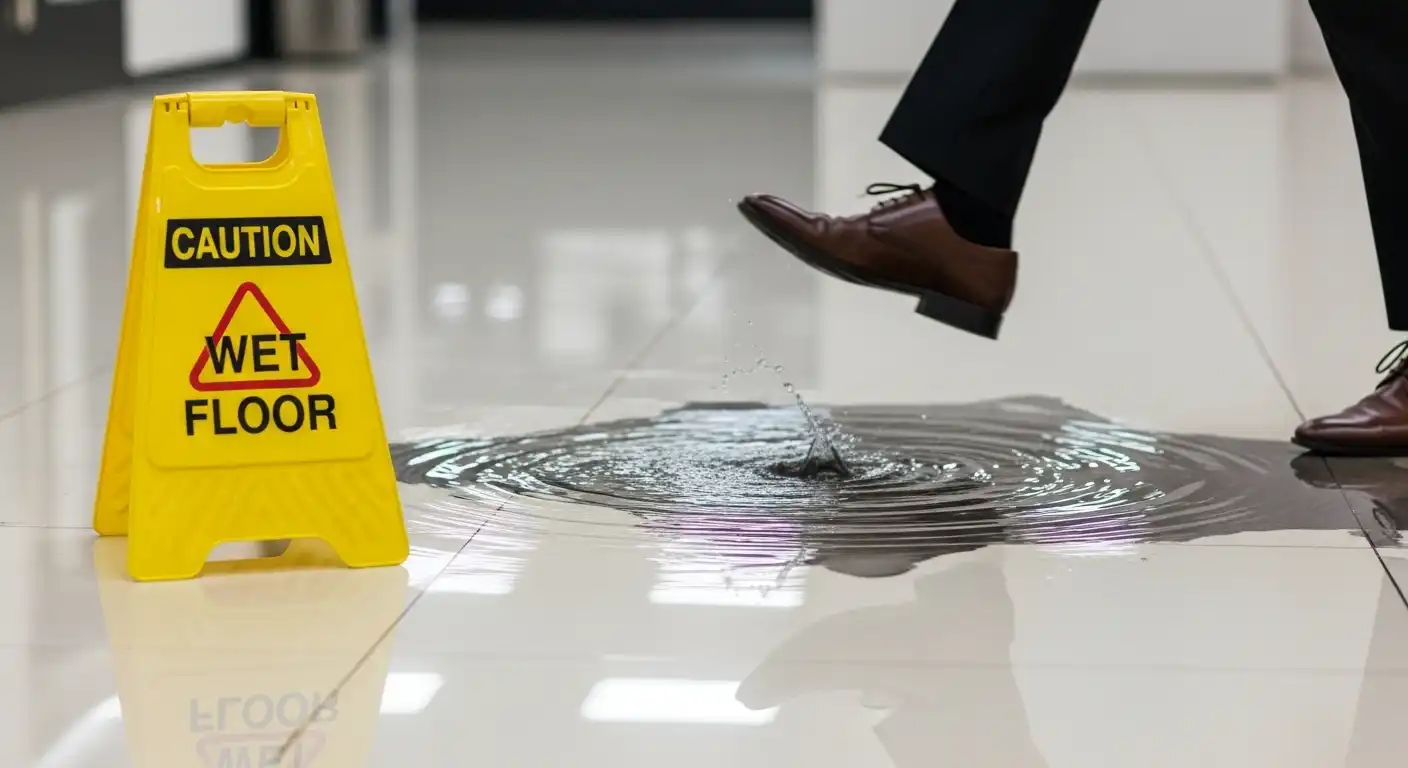
- Wet or slippery floors
- Uneven sidewalks or flooring
- Poor lighting conditions
- Loose rugs or cables
- Ice, snow, or debris
Understanding Premises Liability #
Premises liability law holds property owners and occupiers responsible for maintaining reasonably safe conditions. Liability depends on the relationship between the injured person and the property owner.
Types of Property Visitors #
Invitees #
Invitees are individuals invited onto the property for business purposes, such as customers in a store. Property owners owe invitees the highest duty of care.
Licensees #
Licensees enter property for social reasons, such as guests. Owners must warn licensees of known hazards.
Trespassers #
Property owners generally owe limited duties to trespassers, though exceptions may apply.
Who Is Liable in a Slip and Fall Accident #
Liability depends on whether the property owner knew or should have known about the dangerous condition and failed to address it.
Potentially Liable Parties #
- Property owners
- Business operators
- Property management companies
- Maintenance contractors

Proving Negligence in Slip and Fall Cases #
To succeed in a slip and fall injury claim, the injured party must prove negligence.
Elements of Negligence #
- Duty of care existed
- Property owner breached that duty
- The breach caused the injury
- Damages resulted
For a broader explanation of negligence principles, see our guide on types of personal injury cases.
Common Injuries From Slip and Fall Accidents #
Slip and fall accidents can cause injuries ranging from minor to life-altering.
Typical Slip and Fall Injuries #
- Broken bones
- Head and traumatic brain injuries
- Spinal cord injuries
- Soft tissue injuries
Slip and Fall Accidents in the Workplace #
When slip and fall accidents occur at work, workers’ compensation may apply. However, third-party liability claims may still be possible.
Learn more in our article on workplace injury and workers’ compensation.
The Slip and Fall Injury Claim Process #
Slip and fall claims follow a structured legal process.
Steps in a Slip and Fall Claim #
- Seek medical attention
- Report the accident
- Document the scene
- File an insurance claim
- Negotiate or litigate if necessary

Time Limits for Slip and Fall Claims #
Slip and fall claims are subject to statutes of limitations that vary by jurisdiction.
Review timing requirements in our guide on personal injury statute of limitations.
When to Contact a Slip and Fall Lawyer #
Legal assistance may be necessary if liability is disputed or injuries are severe. An experienced slip and fall lawyer can help preserve evidence and pursue compensation.
The Centers for Disease Control and Prevention reports that falls are a leading cause of injury nationwide.
Why Slip and Fall Liability Matters #
Slip and fall accident liability laws protect visitors from unsafe conditions while encouraging property owners to maintain safe premises. Understanding these rules helps injured individuals make informed legal decisions.
