Workplace Injury and Workers Compensation #
Workplace injury and workers’ compensation law protects employees who are injured or become ill due to job-related activities. Workers’ compensation is a no-fault system designed to provide medical care and wage replacement benefits without requiring proof of employer negligence.
Understanding how workplace injury and workers’ compensation claims work helps injured employees secure benefits while protecting their legal rights.
What Is a Workplace Injury #
A workplace injury is any physical or occupational illness that occurs while performing job-related duties. Injuries may happen suddenly due to accidents or develop over time due to repetitive stress or exposure.
Common Causes of Workplace Injuries #
- Slips, trips, and falls
- Machinery and equipment accidents
- Repetitive motion injuries
- Exposure to hazardous substances
- Vehicle accidents during work duties

How Workers Compensation Works #
Workers’ compensation provides benefits to injured employees regardless of fault. In exchange, employees typically give up the right to sue their employer for negligence.
Workers Compensation Benefits #
- Medical treatment and rehabilitation
- Temporary disability benefits
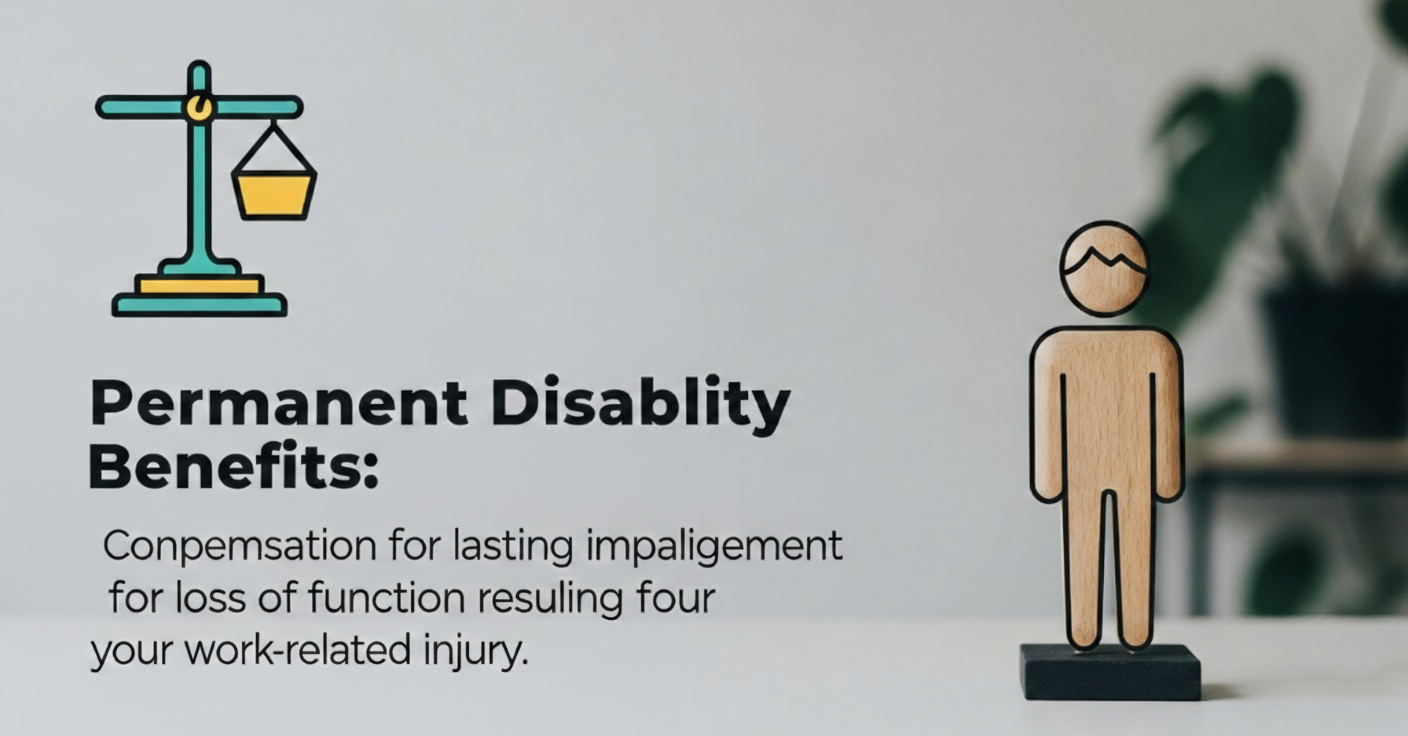
- Permanent disability benefits
- Vocational rehabilitation
Medical Treatment in Workers Compensation Claims #
Medical care is a critical component of workers’ compensation claims. Employers or insurers may control which providers an injured employee can see.
Authorized Medical Providers #
Employees may be required to treat with approved doctors, depending on state law and employer policies.
When a Workplace Injury Allows a Personal Injury Claim #
While workers’ compensation is the primary remedy, some workplace injuries allow additional personal injury claims.
Third Party Liability Claims #
If a third party, such as a contractor or equipment manufacturer, caused the injury, the employee may pursue a separate personal injury claim.
Learn more about personal injury options in our guide on types of personal injury cases.
Common Workplace Injuries #
Workplace injuries range from minor to catastrophic.
Examples of Workplace Injuries #
- Back and neck injuries
- Broken bones
- Head and brain injuries
- Burns and electrocution injuries
The Workers Compensation Claim Process #
Workers’ compensation claims follow a structured process governed by state law.
Steps in a Workers Compensation Claim #
- Report the injury to the employer
- Seek authorized medical treatment
- File a workers’ compensation claim
- Receive benefits or appeal denial

Time Limits for Workplace Injury Claims #
Workplace injury claims are subject to strict reporting deadlines and statutes of limitations.
Learn more in our guide on personal injury statute of limitations.
When to Consult a Workers Compensation Lawyer #
Workers’ compensation claims can become complicated when benefits are denied, delayed, or terminated. Consulting a workers’ compensation lawyer can help injured workers protect their rights.
According to the U.S. Department of Labor, workers’ compensation laws vary by state and require strict compliance.
Why Workplace Injury Law Matters #
Workplace injury and workers’ compensation laws provide essential protections for injured employees. Understanding these laws ensures workers receive medical care, wage replacement, and legal remedies when injuries occur on the job.
