
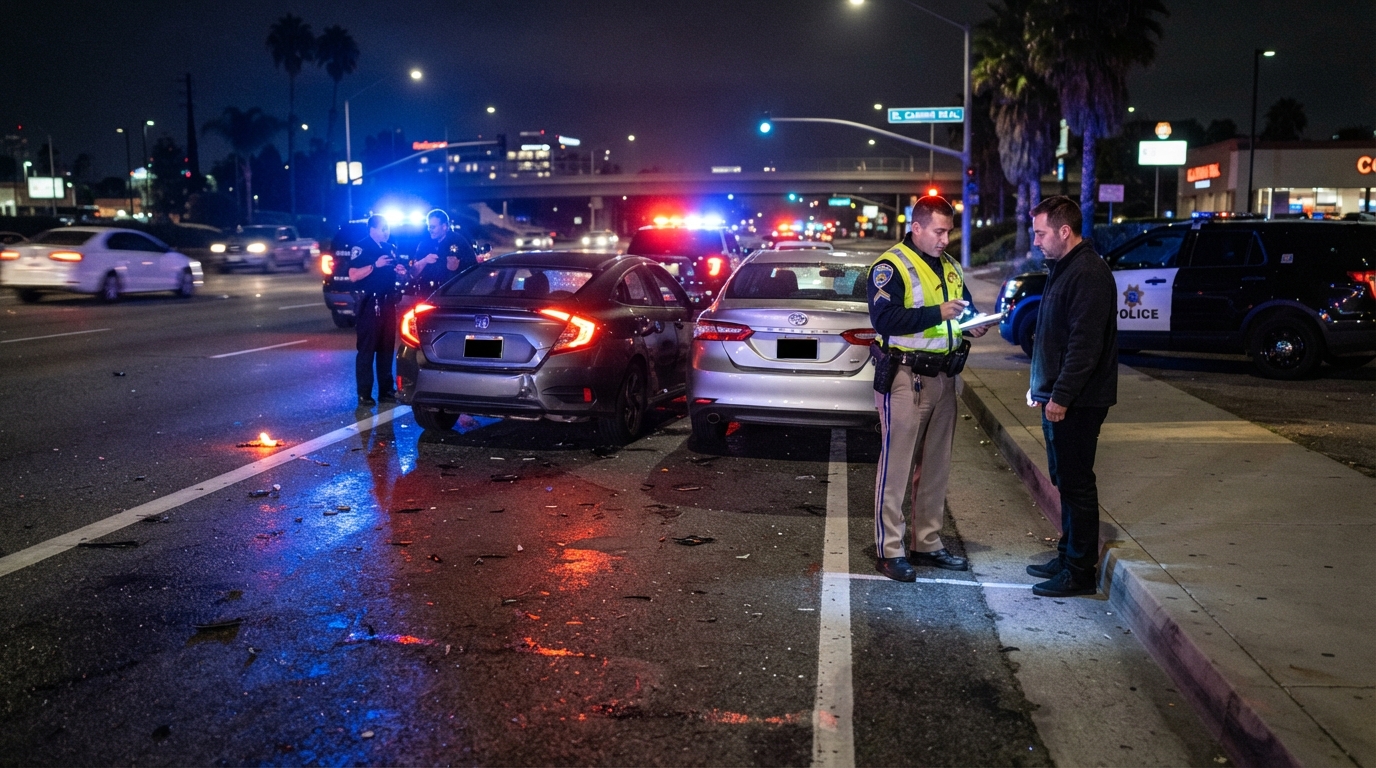
California DUI injury claims are receiving fresh attention after Governor Gavin Newsom signed Senate Bill 907, also known in part as Braun’s Law, on September 25, 2026.
The new law responds to concerns about repeat impaired driving and serious hit-and-run crashes. It also closes a gap involving defendants whose DUI allegations are reduced to different or lesser offenses.
For injured people and families, however, one distinction is essential. SB 907 changes parts of California’s criminal traffic law. It does not automatically decide who wins a personal injury lawsuit, how much compensation is available, or whether an insurer must settle a claim.
A civil injury case still depends on evidence showing how the crash happened, who was legally responsible, and what harm resulted.
Understanding that difference can prevent victims from assuming that a DUI arrest, plea, or criminal sentence automatically resolves the civil side of a serious crash.
What Braun’s Law Changes in California DUI Cases
SB 907 was signed into law as Chapter 443 of the Statutes of 2026. The final bill amends California Vehicle Code sections dealing with hit-and-run offenses and DUI-related court advisements.
Some earlier versions of SB 907 contained broader sentencing provisions. Those provisions changed during the legislative process. The final enacted law is narrower, so readers should rely on the chaptered bill rather than descriptions of earlier drafts.
The law is scheduled to take effect January 1, 2027.
Braun’s Law Expands the DUI Murder Advisement
California already uses an advisement commonly associated with the California Supreme Court’s decision in People v. Watson. In general terms, certain DUI defendants are warned that impaired driving is dangerous to human life and that a future fatal impaired-driving incident may expose them to a murder charge when the legal requirements are met.
SB 907 expands when that advisement must be given.
Under the new law, if a defendant pleads guilty or no contest to a different or lesser offense substituted for an alleged DUI violation, the court must still provide the advisement required by Vehicle Code section 23593.
This change addresses situations where a DUI charge does not remain the final offense of conviction.
A Reduced DUI Charge Will No Longer Necessarily Avoid the Advisement
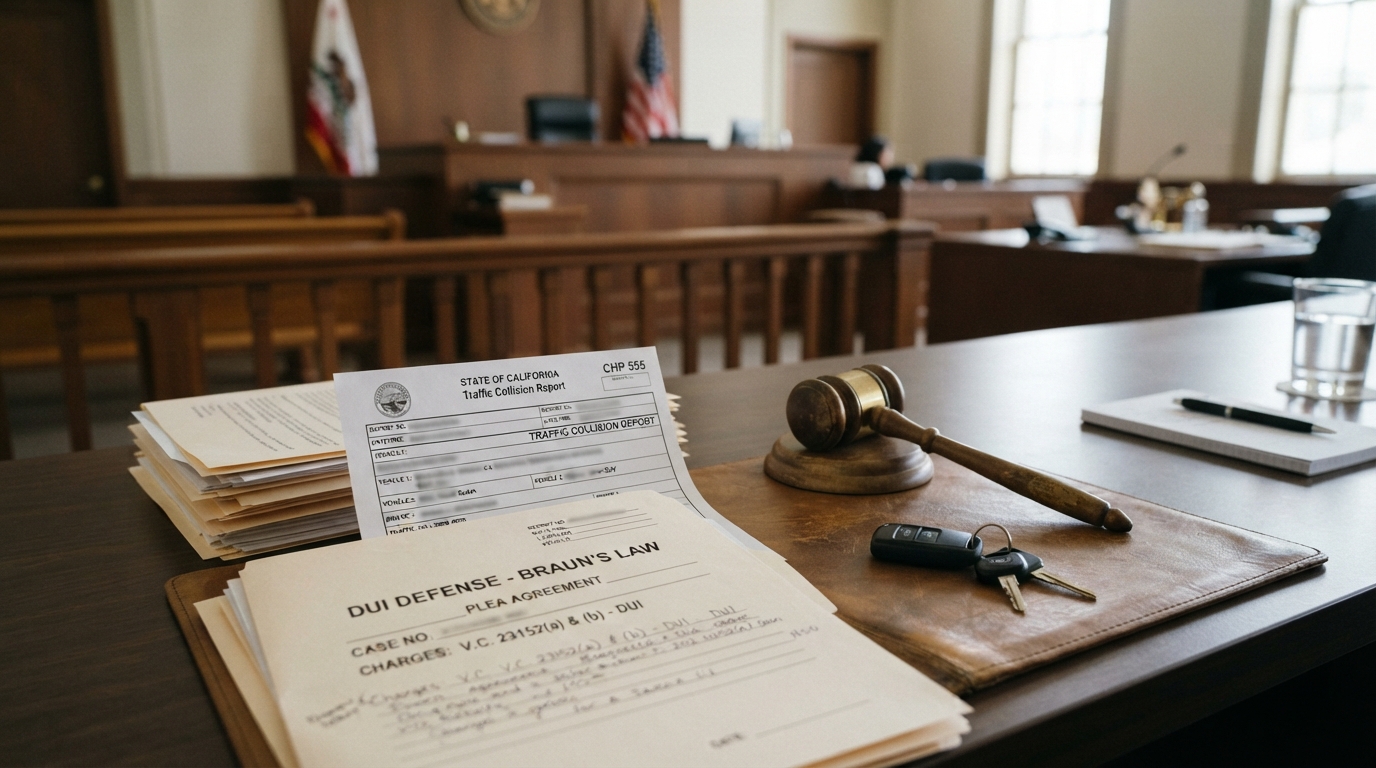
Before this change, a defendant whose DUI allegation was dismissed or reduced could sometimes leave the case without receiving the same warning associated with a DUI conviction.
Braun’s Law changes that result for qualifying substituted pleas.
The significance is mainly criminal. If a driver later causes a fatal crash while impaired, prosecutors may examine the prior advisement along with the other evidence when deciding which charges are legally supportable.
That does not mean a future death automatically becomes murder. Prosecutors must still prove the required elements of the charged offense.
It also does not mean the earlier advisement automatically proves negligence in a later civil lawsuit. Civil responsibility remains a separate legal analysis.
Repeat Hit-and-Run Offenders Can Face Higher Criminal Penalties
SB 907 also changes penalties for certain drivers who leave an injury or fatal crash scene and have a qualifying prior driving conviction within the preceding 10 years.
The qualifying prior offenses identified in the law include specified DUI, reckless-driving, and vehicular-manslaughter convictions.
For an injury-producing hit-and-run covered by the repeat-offender provision, the statute allows a felony prison term of two, three, or four years.
If the crash results in death or permanent serious injury and the repeat-offender provision applies, the felony range increases to three, four, or five years.
These are criminal penalties imposed on the driver. They should not be confused with compensation paid to an injured person through an insurance claim or civil lawsuit.
Readers looking for broader background on crash liability can also review Injury Law Wiki’s driver-assistance crash claims guide, which explains why evidence and driver conduct remain central even when a modern crash includes additional legal issues.
Criminal DUI Charges and Civil Injury Claims Are Separate
A serious impaired-driving crash can create two different legal proceedings.
The government may bring a criminal case against the driver. Separately, the injured person may pursue compensation through an insurance claim or civil action.
The goals are different.
A criminal prosecution focuses on whether the defendant committed an offense and what criminal consequences should follow. A civil claim focuses on legal responsibility for the victim’s losses.
Because those systems are separate, a victim generally should not assume that the civil claim must wait until every criminal issue has been resolved.
A DUI Arrest Does Not Automatically Determine the Civil Case
An arrest is not the same as a conviction, and a criminal accusation does not by itself prove every element of a civil negligence claim.
Likewise, a criminal case that ends in a reduced charge does not necessarily mean the injured person has no civil case.
Civil investigators can rely on many forms of evidence that exist independently from the final criminal charge.
Examples include collision-scene photographs, witness statements, police observations, toxicology evidence, vehicle damage, event data, surveillance video, medical records, receipts, and testimony about the driver’s behavior before the crash.
The civil case also focuses heavily on causation. The injured person must connect the defendant’s conduct to the actual injuries and losses being claimed.
For readers new to injury law, the site’s Legal Facts Center provides additional explanations of negligence, injury claims, damages, and other basic concepts.
How to Protect a California DUI Injury Claim After a Crash
Evidence can disappear quickly after an impaired-driving collision. Vehicles are repaired or salvaged. Video may be overwritten. Witnesses become harder to locate. Digital information can change or become inaccessible.
That makes early documentation especially important in serious cases.
Medical care should come first. After that, victims and families can begin preserving information that may later help explain both liability and damages.
Preserve Evidence From the Driver, Vehicles, and Crash Scene
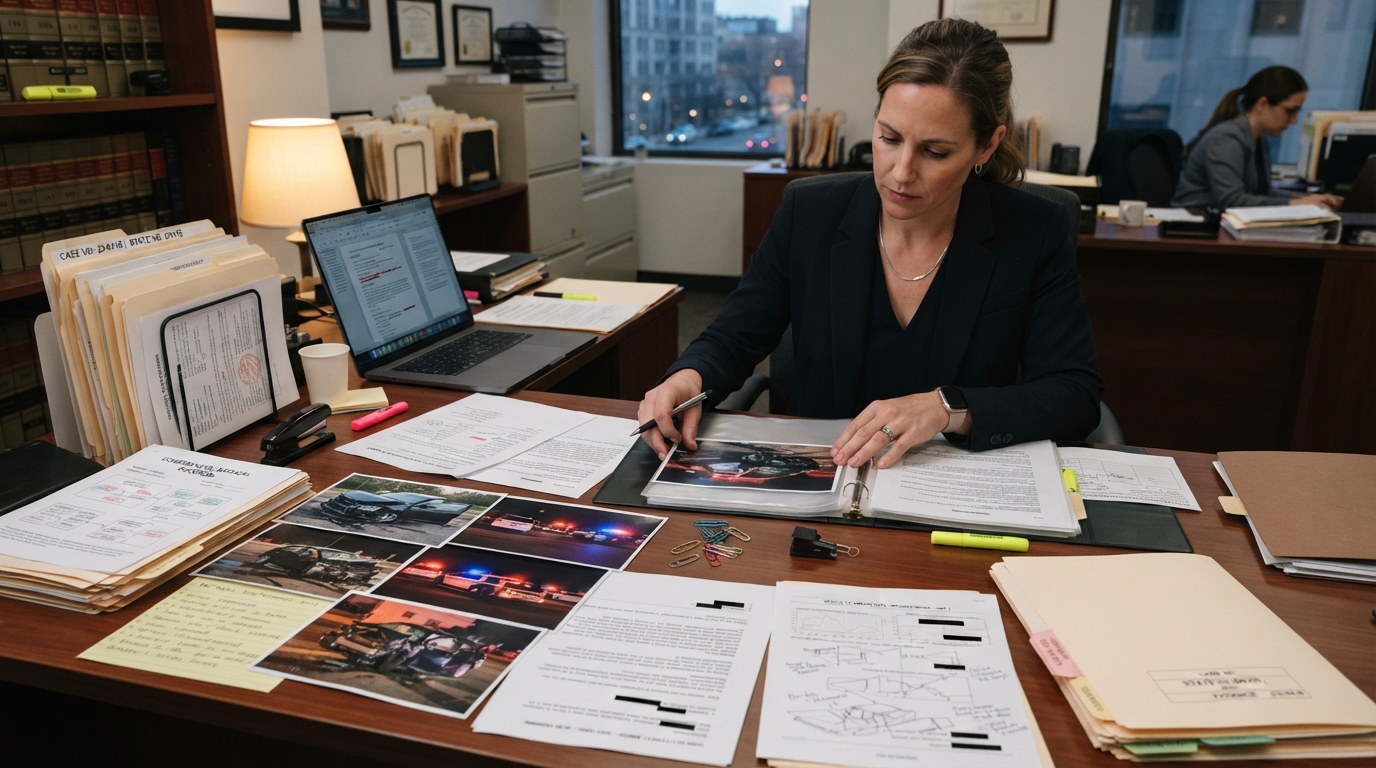
Keep photographs and video from the scene whenever they can be obtained safely. Images may document vehicle positions, skid marks, debris, traffic signals, lighting, road conditions, and the severity of the impact.
Save the police report information and identify witnesses. Nearby businesses, homes, rideshare vehicles, and other drivers may have cameras that captured events before or during the collision.
In newer vehicles, electronic evidence can also matter. An event data recorder may contain information about vehicle speed, braking, accelerator use, and other conditions around the time of the crash.
Some vehicles also store telematics, location information, driver-assistance logs, or onboard video.
Injury Law Wiki’s 2026 crash evidence guide discusses why modern vehicle data can become important after a serious collision.
Document the Injuries and Financial Losses Just as Carefully
A strong liability case is only one part of a personal injury claim.
The claimant must also document the harm caused by the collision.
Keep emergency-room records, imaging, specialist visits, rehabilitation records, prescriptions, medical bills, and information about future treatment.
Employment records can help document missed work and lost earnings. More serious injuries may also affect future earning ability or the need for long-term assistance.
Daily limitations can matter as well. A person recovering from a brain injury, spinal injury, fracture, or major surgery may temporarily or permanently lose the ability to perform work, childcare, household tasks, recreation, or other normal activities.
California law may allow recovery for different categories of economic and non-economic losses when the legal requirements are satisfied.
In some impaired-driving cases, plaintiffs may also investigate whether punitive damages are legally supportable. Those damages require a separate showing under California law and are not automatic merely because alcohol or drugs were involved.
That point is important. Serious or reckless conduct can make a case more concerning, but every category of damages still needs a legal and evidentiary basis.
The same caution applies to Braun’s Law.
California DUI injury claims.
SB 907 may provide additional criminal consequences for repeat hit-and-run conduct and ensures that certain reduced DUI pleas still carry the statutory advisement. Those changes may become relevant background in some future cases.
They do not replace the core work required in California DUI injury claims.
Victims still need evidence of fault. They still need medical proof connecting the crash to their injuries. They still need documentation of financial and personal losses. Insurance coverage and applicable filing deadlines also remain important.
The safest way to understand the new law is to keep the criminal and civil systems separate.
California enacted SB 907 to change how certain repeat hit-and-run offenses and DUI-related pleas are handled in criminal court. A personal injury lawsuit serves a different purpose: determining civil responsibility and compensation for the person who was harmed.
Both may arise from the same crash, but they are not the same case.
Readers can review the final statutory language through the California Legislature’s official SB 907 page.
This article provides general legal information and is not legal advice. DUI laws, insurance issues, damages, evidence rules, and filing deadlines depend on the facts of the case and applicable law. Anyone dealing with a serious collision should consider obtaining advice specific to their situation.